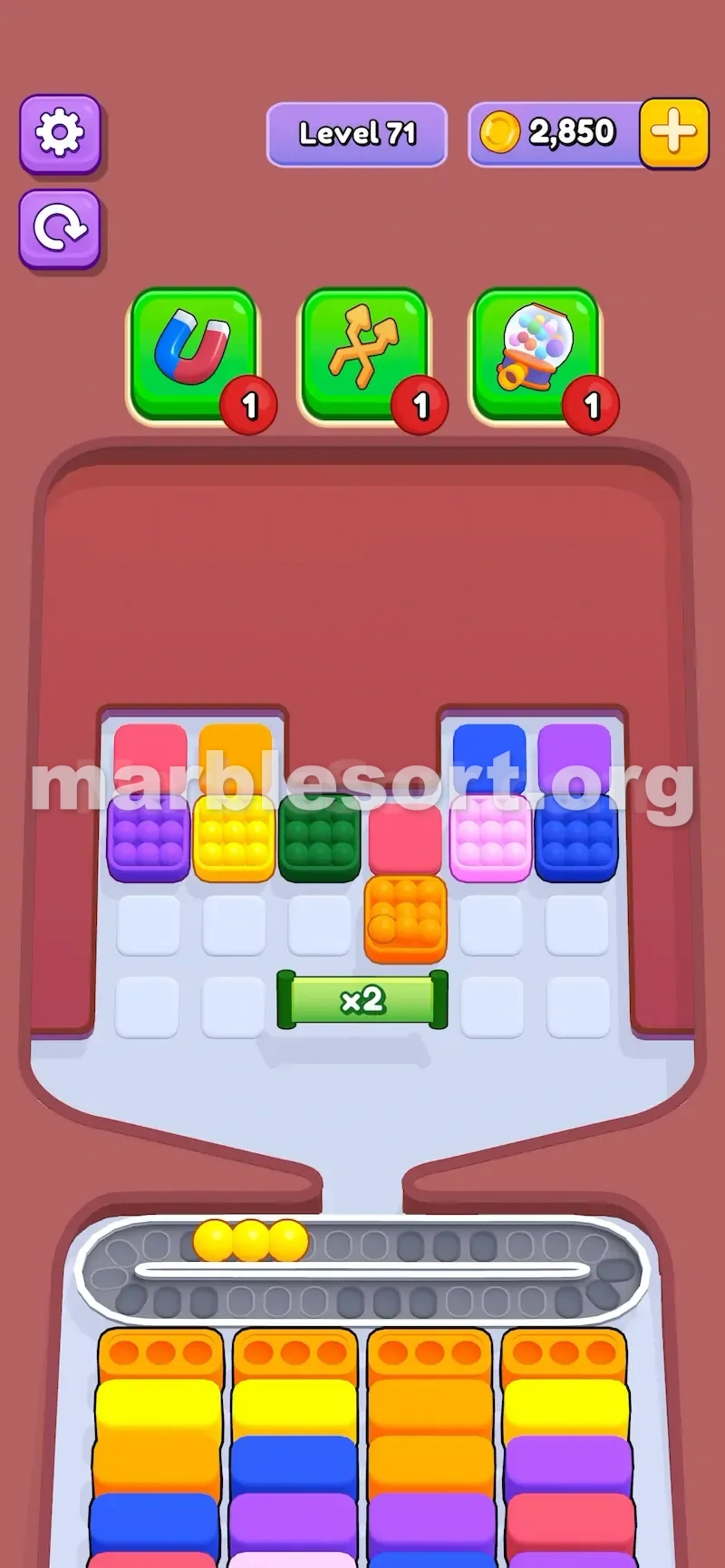


Video Guide

Multiplier Gates: A Double Drop You Did Not Plan
One tap, the box drops past the gate, and the belt is suddenly holding twice the marbles you figured on.
It reads like a gift since more marbles feels like faster progress, yet in this game extra marbles are not always a win.
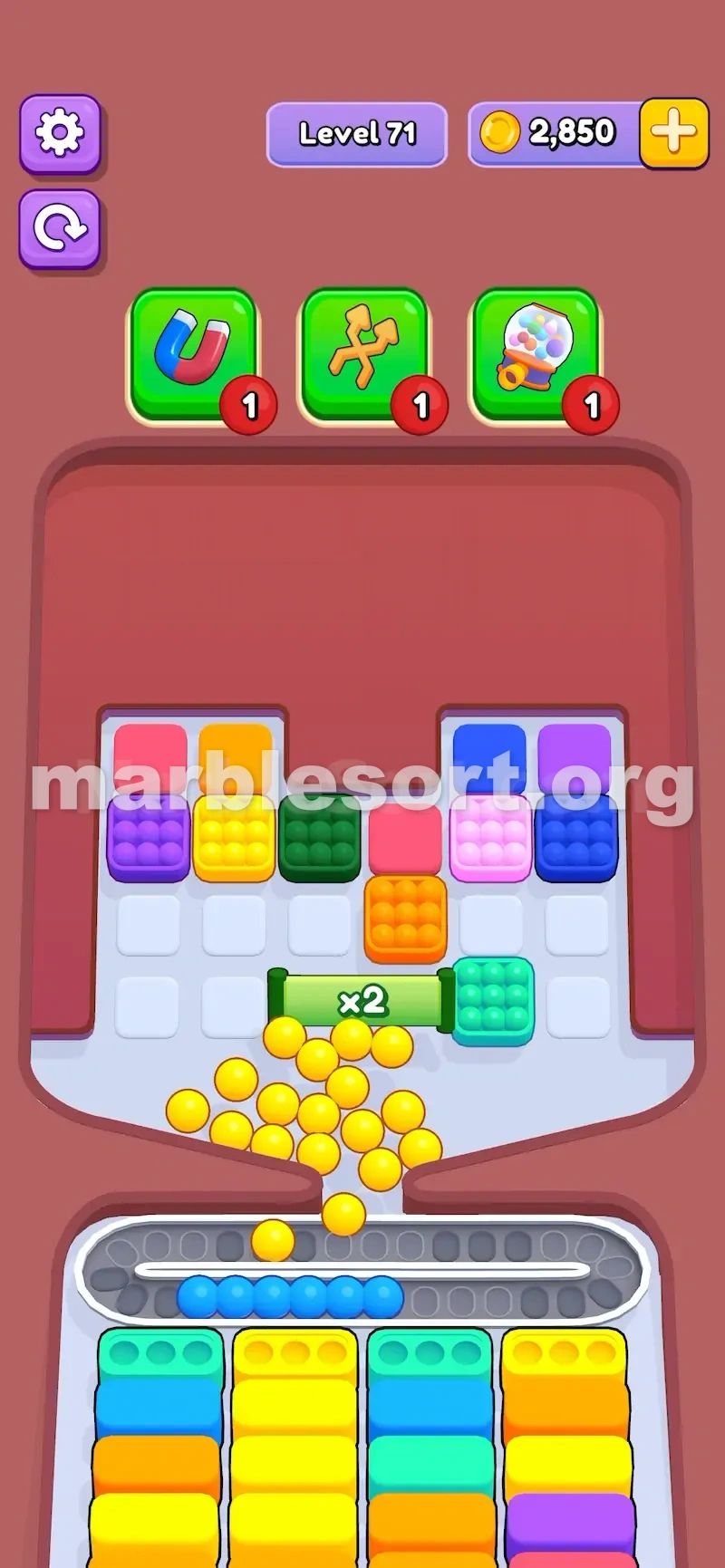
The gate is a green object stamped with a number, most often x2. Anything that crosses it gets multiplied by that figure — and the headache shows up right after.

What Multiplier Gates Are
These gates are resource-management blockers that bend the flow before marbles hit the belt and the base boxes.
They alter how many marbles leave the top boxes on their way down.
The rule could not be plainer: every marble through the gate is duplicated. At x2 the tally doubles.
A plain 9-marble box turns into 18 once it passes an x2 gate — until those 18 find a home.

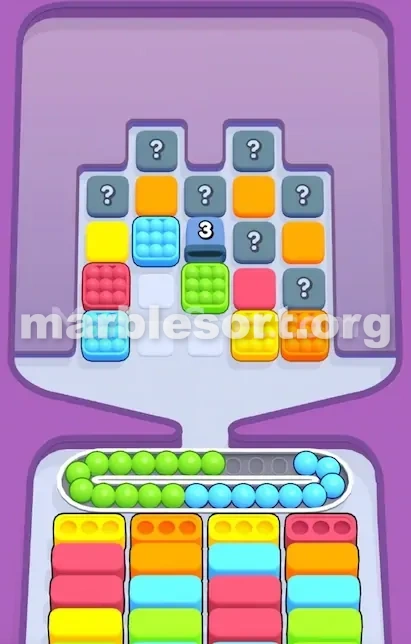
The Doubling Mechanic
Find the green gate, then drop a marble box above or beside the gate lane. When those marbles cross it, they multiply and the larger heap hits the belt.
You must clear that multiplied heap with matching base boxes before the belt runs out of room.
Most players think only the box straight over the gate gets doubled. If a distant box falls, rolls, or slides across the gate zone, it gets doubled too.
The gate hits whatever crosses it. Before you tap, read the full path — a left-side box can still meet a low gate if the stage guides marbles down. A box that seems calm may not be safe.

Why the Doubling Stings
The pain is the belt room it eats. Even a plain 9-marble box is already a promise you have to keep.
With the matching base boxes ready, that drop stays tidy. Without them, those 9 marbles drift and hog space.
Past an x2 gate the same box is 18. Because base boxes clear in small color clumps, it can need several matching slots or a few boxes of one shade.
With just one matching box open, the rest loop on. The game never asks "Can you multiply?" It asks "Can you outlast the extra marbles once they multiply?"
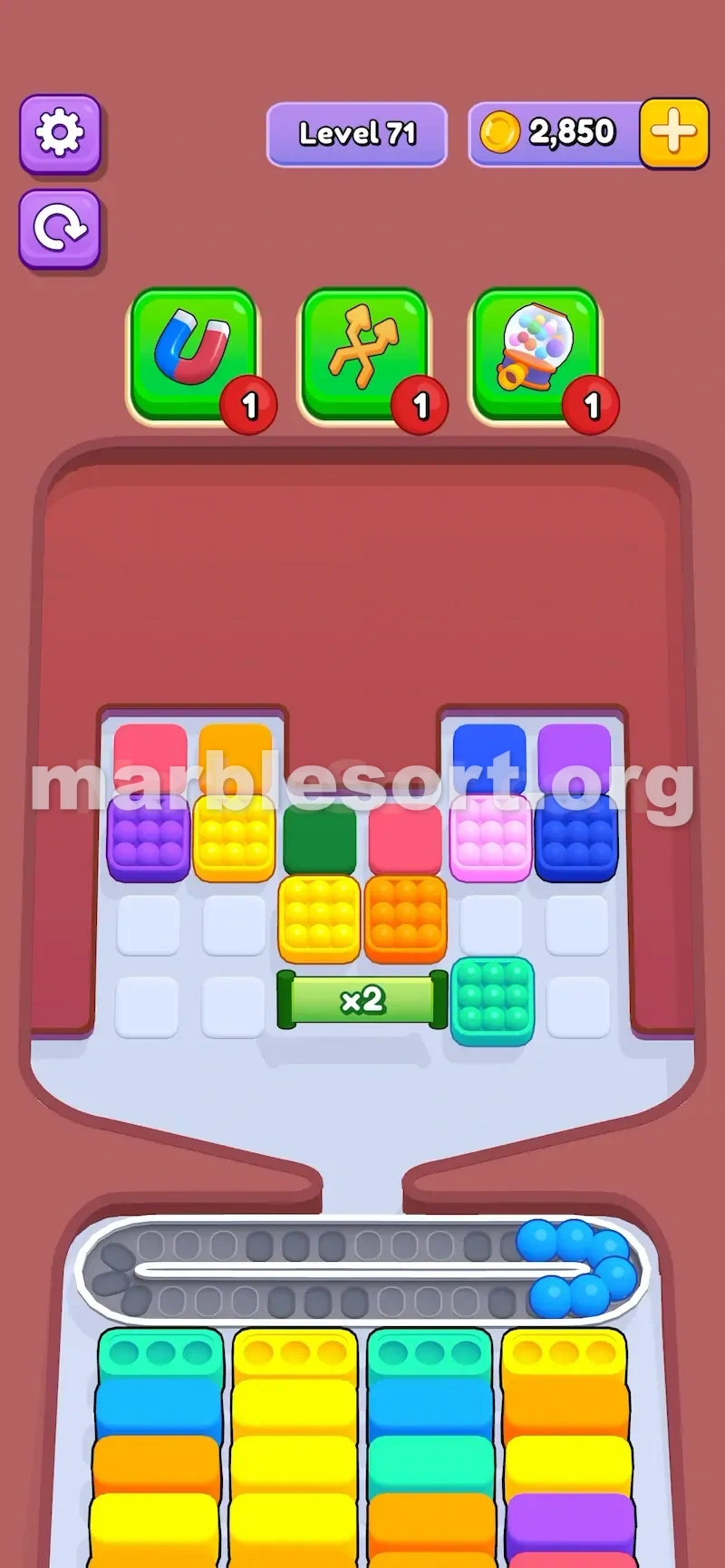
Best Strategy and Common Mistakes
Think of the gate as a trap the level handed you, not a gift. Before you fire it, look low and count the colors that can land — ready to double yellow? Count the open yellow base slots you actually have.
Keep the belt clean first. If stray red, blue, or purple already clog it, clear those before you stack a bigger pile on top.
Pick the gate color by what the floor needs right now. A gate set low will snag marbles from plenty of top boxes, so assume most of your drops will pass through it.
The trap is reading x2 as free loot. Losses come from dropping a shade with no box ready, forgetting that far boxes also cross, hammering taps after the first double, mixing colors early, or using the gate just because it is there. Ready is not the same as smart — a purple box may sit right above the gate, but if the base wants yellow and green, that purple is only tidy-looking trash on the belt.
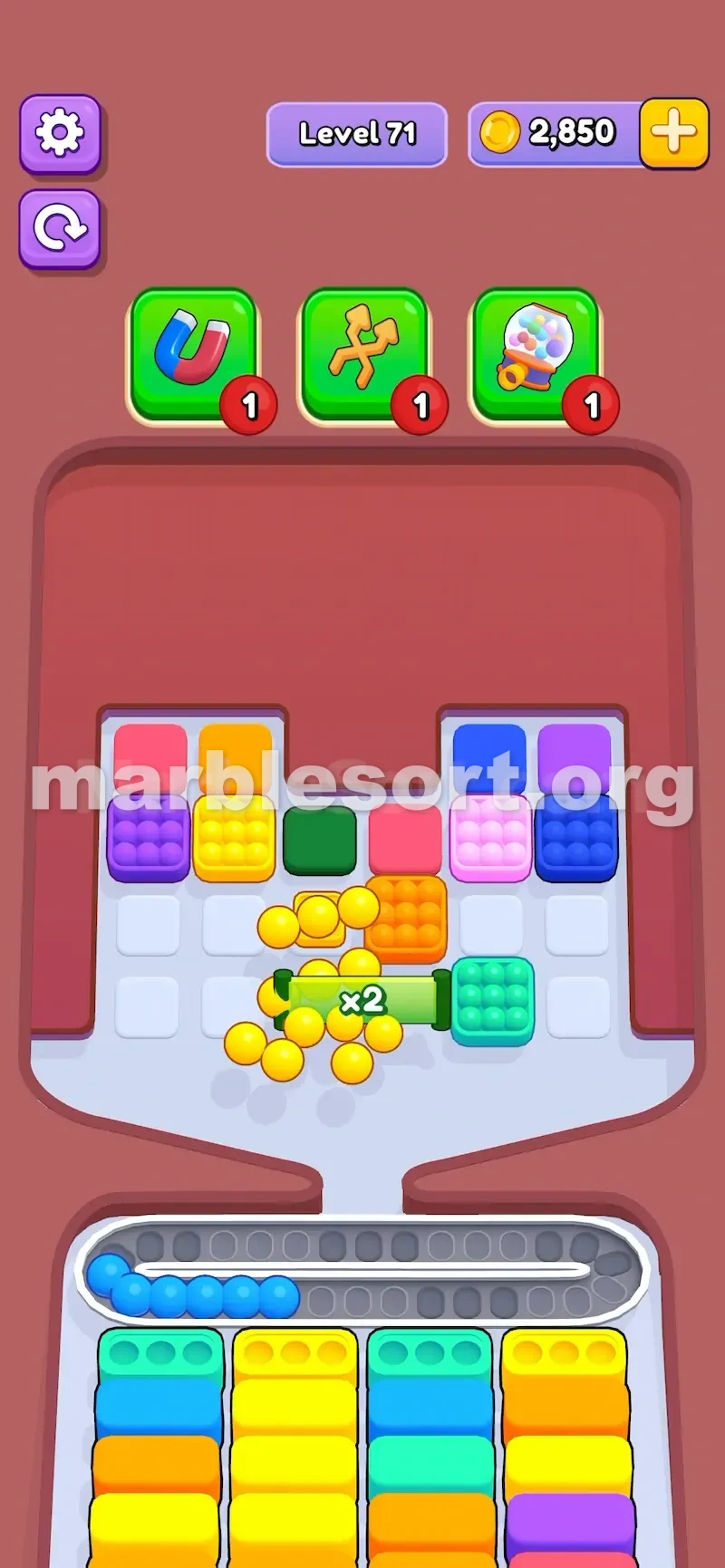
When the Gate Helps Versus Hurts
It pays off when the board craves a big pile of one color, that color can vanish the moment it doubles, the stage wants a quick burst of drops, and you fed the gate on purpose.
It bites when the target box sits far from where marbles enter, so they circle forever, when the belt is already packed, or when you doubled a color the floor never asked for.
You were never meant to flee the gate for good. You were meant to set up for it, then press it hard.
A target box near the entry drains the doubled pile fast; one across the board lets those marbles wander too long and jam things. So a good drop weighs travel as much as hue.
How to Beat Levels With the Gate
Clear a spot for the catch before you multiply a thing. Then check which top boxes can reach the gate. A blue top box that doubles while blue base boxes are ready is a solid play; an orange top box that doubles with no orange slot open should stay put.
After you choose the right shade, do not merely tap and wish. Once the first marbles slide into boxes quick, keep at it. The worst fix is answering a doubled flood with yet another doubled drop.
Keep this order: wipe the small leftover clumps, then drop the next box only if the belt has space.
Pro tip — with a low gate, clear one nearby base box first though that is not your main shade, then release the doubled color when its matching boxes near the catch. Do not wait for all eighteen to settle before you move; if the first wave is already filling the right boxes and the belt still breathes, tap the next match early. You are feeding the stage a beat instead of a dump — and the belt prefers flow over mounds.