

Video Guide

Hidden Boxes: Playing With a Gap in Your Knowledge
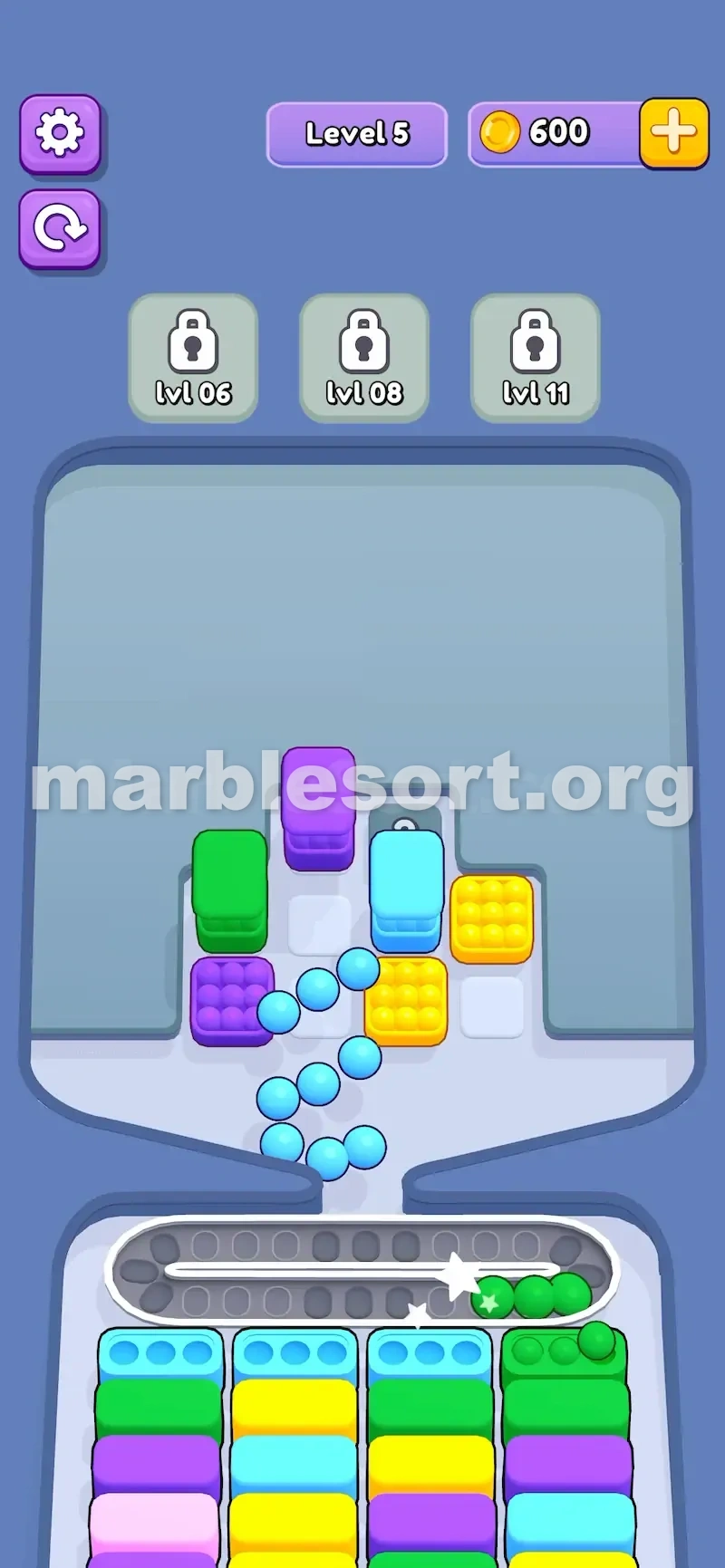
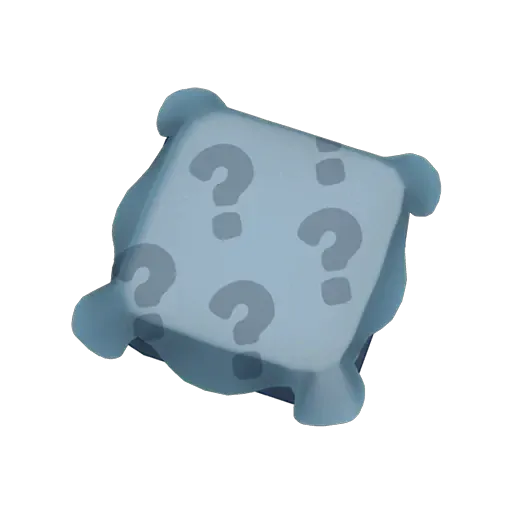
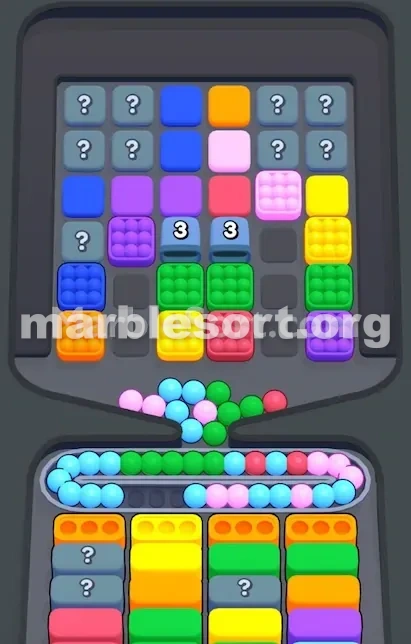
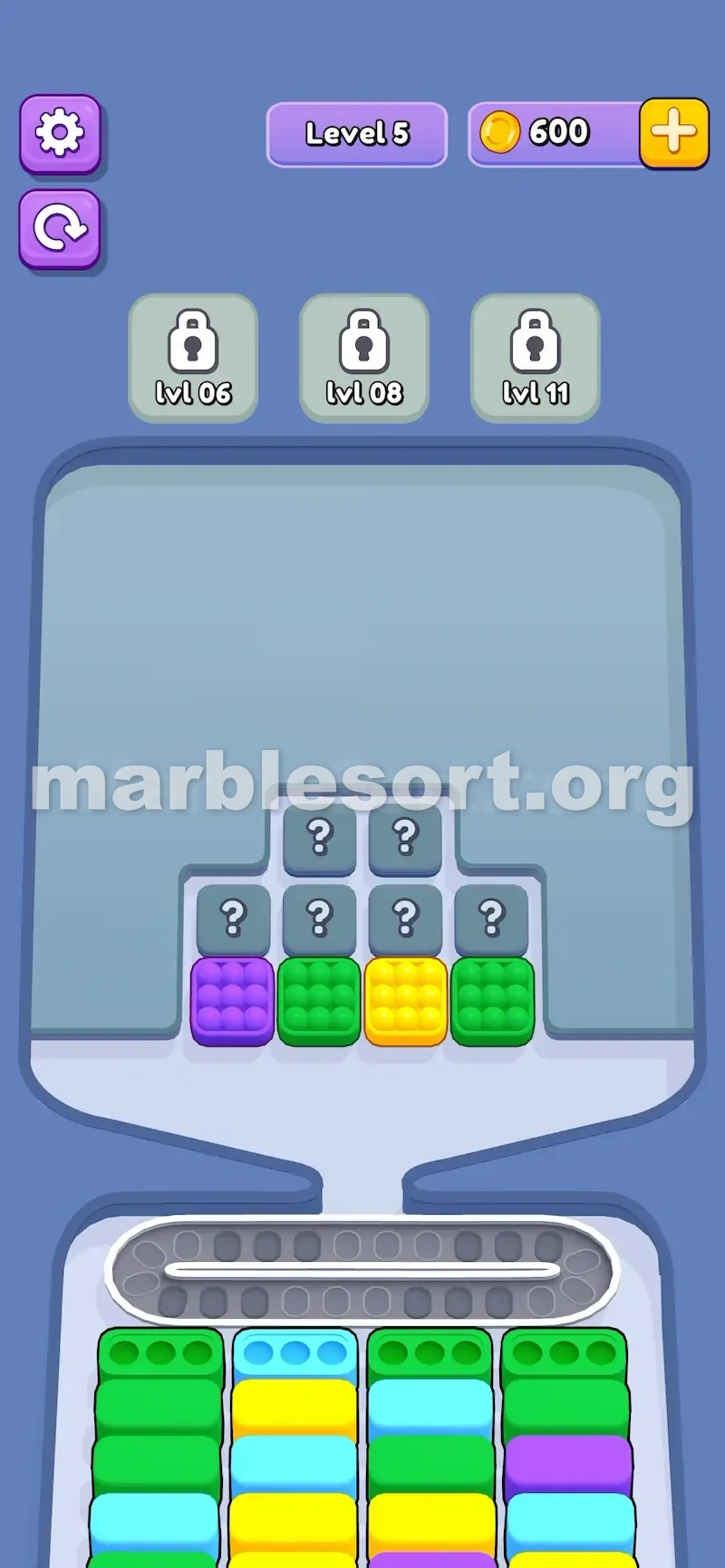
A grey square with a question mark on it lands in the middle of your layout, and the stage immediately feels colder.
What this obstacle removes is not space and not access. It removes knowledge, which is a far more expensive thing to lose.
Everything about sorting well depends on deciding your releases before the track gets busy. Cover one or two containers and you are suddenly making those calls with part of the picture missing.

What the Grey Square Conceals
The shade underneath is completely sealed off. Purple, green, yellow, red, blue or anything else could be waiting there, and guessing gets you nowhere.
It also never uncovers itself on a whim. Nothing about waiting, tapping elsewhere, or hoping will change what it shows.
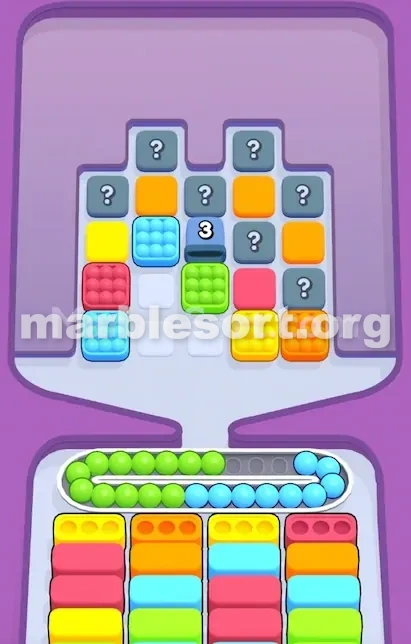
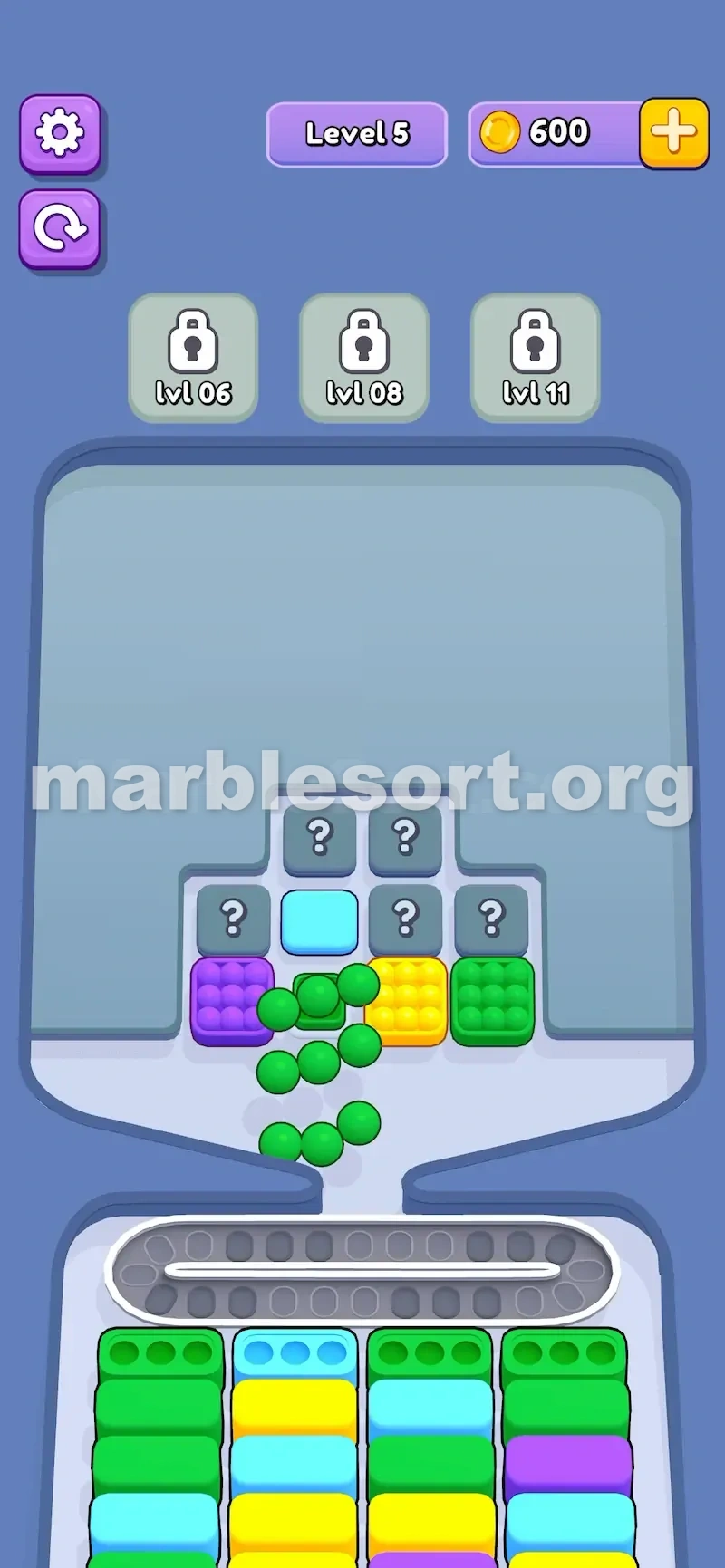
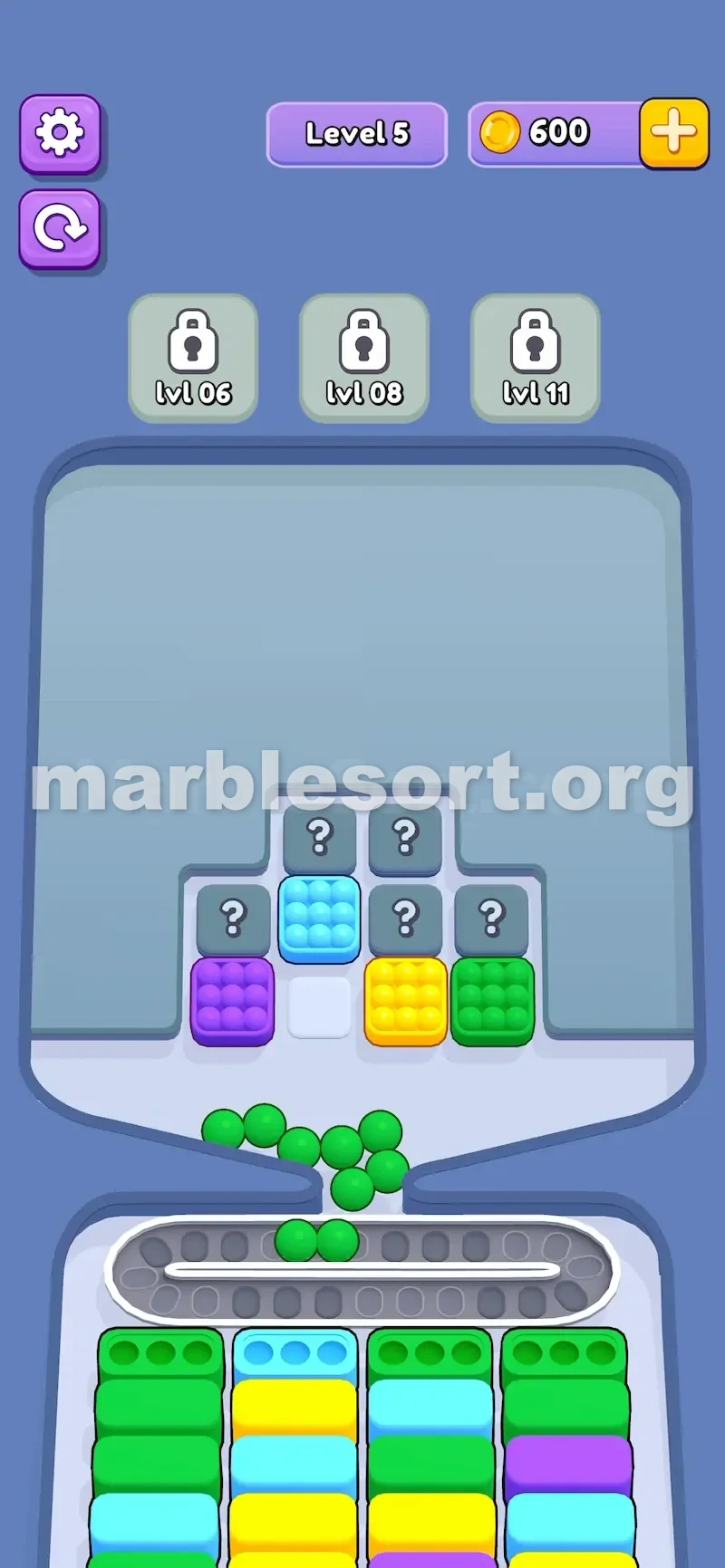
The mechanism is simple once you know it: open a route beside the square and the shade surfaces. Grey while it is sealed, a real colour the instant a neighbour clears.
After that moment it loses all special status. A revealed square is just a normal receiver you can fill up and send away like any other.
The Fastest Way to Uncover One
Deal with the readable containers touching it. Scan what sits alongside, beneath, and around the grey square, then pick whichever of those neighbours is cheapest to finish.
Feed matching marbles into that neighbour until it clears, watch the shade surface, and rebuild your plan around what you just learned.
Position dictates the approach. With a readable container sitting under the square, clear that one. Wedged between two readable containers, take the easier side. Buried in a corner, start pushing toward that corner early rather than leaving it.
What never works is spending moves on guesses. The stage rewards opening the right route while the track still has room, not gambling on what might be underneath.
How Missing Information Punishes You
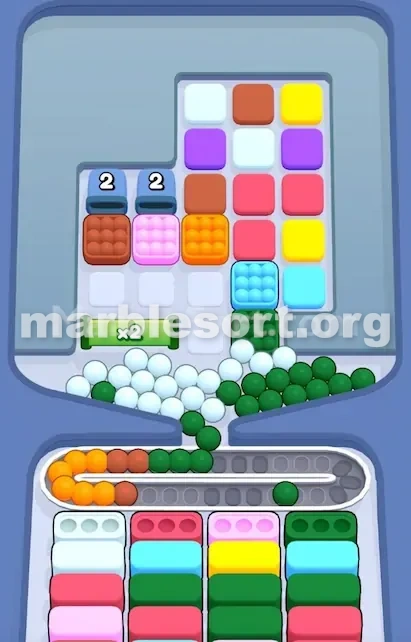
On a clean layout you can survey everything and decide which shades are safe to send. Purple has a destination, yellow can wait, and the order is yours to choose.
Grey squares dismantle that comfort in several ways at once.
They conceal the shade you may need on the very next move. They force you to spend clears just to earn information. They make a shade look worthless when a sealed receiver for it is sitting right there. And they hand out the harshest punishment to players who release marbles quickly without checking.
The cruellest arrangement is a needed shade sealed away deep behind other containers. You spend the whole run waiting for a matching receiver to appear, and it was on the board the entire time under a question mark.
Uncovering Without Choking the Track
Your objective is not clearing containers at random. It is buying information while keeping the track breathing.
Begin with containers that physically touch a grey square, because surfacing shades early is what hands you control over the stage.
Skip the distant easy match. A tempting clear on the far side of the layout that uncovers nothing is usually a weaker move than it appears.
Watch your track space as you go. Once it starts filling, stop creating new problems and clear what is already circling before releasing anything else.
Corners and the One-at-a-Time Rule
Uncover a single square at a time. Opening several together floods you with fresh shades and competing priorities, and that is when people start tapping without thinking.
Corner squares deserve special attention because they are the easiest to overlook. Anything sealed away up in the top-left, or tucked into any other far corner, should be worked toward before the layout gets crowded.
Leaving a corner for later is the classic mistake. Open it first or second even when an easier match is calling, because the design consistently stashes the shade you need in the least convenient position available.
Handled this way you gain information steadily instead of converting the track into a traffic jam.
The Buffer Trick for Hard Stages
One scrappy habit pays off repeatedly: keep a single safe space open on the track before you uncover a grey square.
The reason is simple. When the shade surfaces and it demands an immediate change of plan, that spare space is what lets you act instead of watching the stage seize up.
Treat every question mark as a missing piece of the picture rather than as a wall in your way. Your job is to fill that gap before the track slips out of your control.
Play it in that order — uncover early, uncover one at a time, keep a buffer — and these stages stop feeling like guesswork and start finishing cleanly.