

Video Guide

Tunnels: A Queue You Cannot See Into
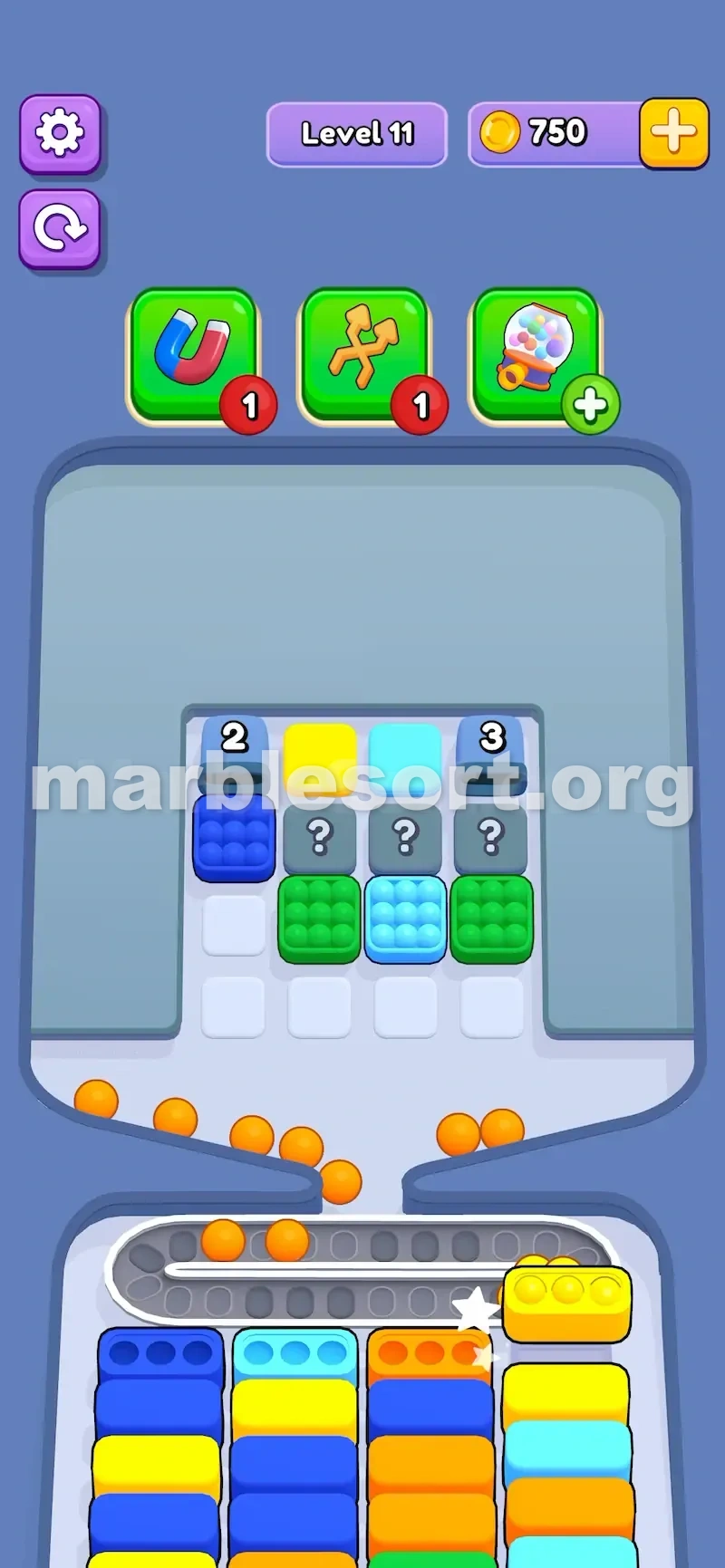
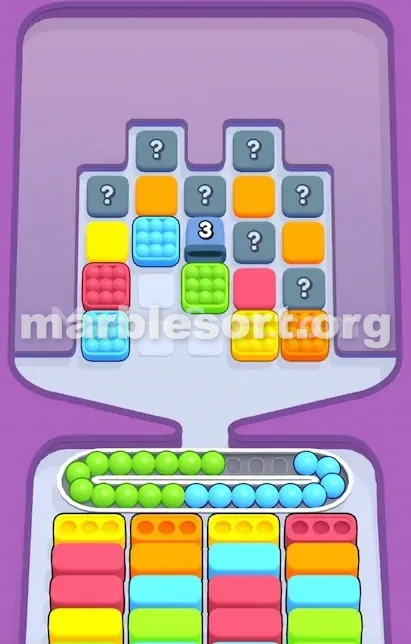
A single position on the board is quietly holding four containers, and you only ever get to look at one of them.
That is the whole trick of a tube. Rather than laying every container out where you can weigh them up, it lines them into a queue and releases them one at a time.
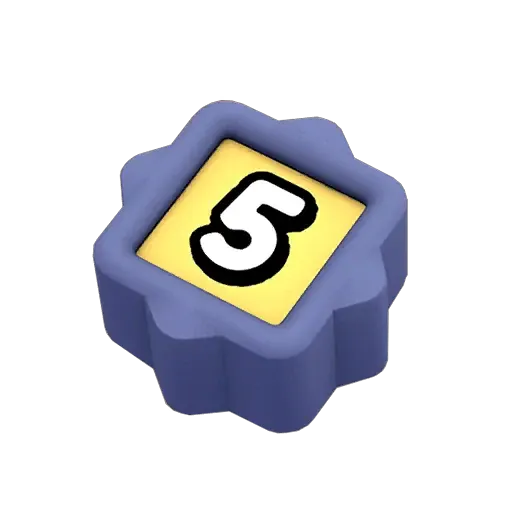
The digit stamped on the front tells you the size of that queue. It is a stock count, not a timer, and nothing about waiting will make it move on its own.

Reading the Stock Digit
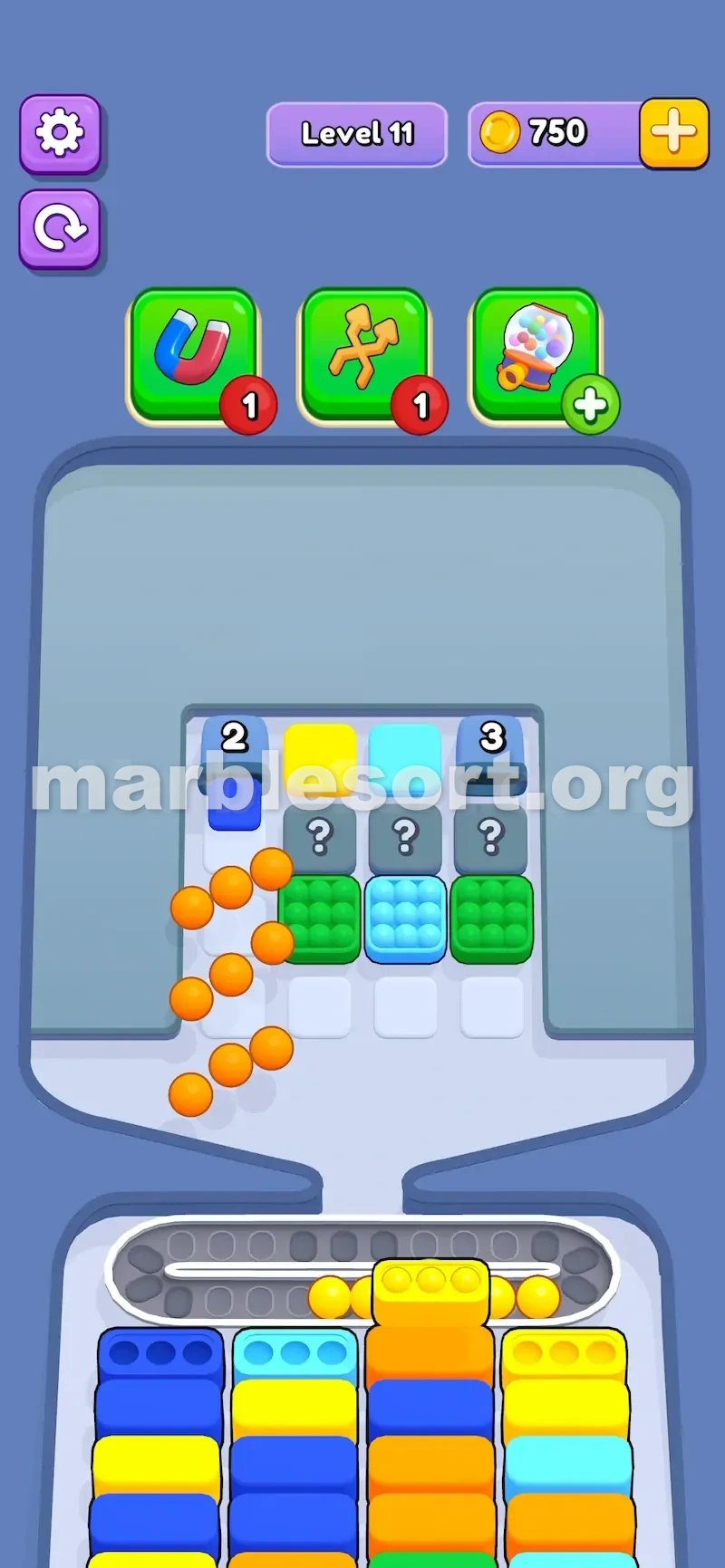
Show a three on the front and there are three containers waiting in that spot, with only the one at the mouth available to you.
The cycle never changes: check the digit, handle the container at the mouth, and the next one immediately takes its place while the digit falls by one.
Keep going and the queue eventually empties, at which point the tube stops being an obstacle and that position behaves like ordinary board space.
Nothing here is random. The order was decided when the stage was built, so the only thing you control is when you choose to pull the next container out.
Why Hidden Queues Wreck Your Planning
Sorting well depends on reading the board and choosing an order. A tube deletes part of that reading.
You might be desperate for green, and green may well be sitting inside the queue, but until the containers ahead of it come out you have no way of knowing.
That forces a different kind of decision. Instead of planning three moves deep, you are constantly asking whether it is safe to pull the next container out right now.
Pull too eagerly and you flood the track with shades nothing can accept. Wait too long and you stall while the receivers below sit unfinished.
Tubes Standing Next to Covered Slots
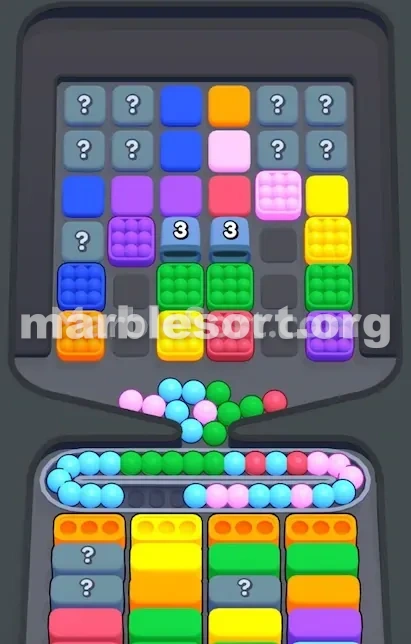
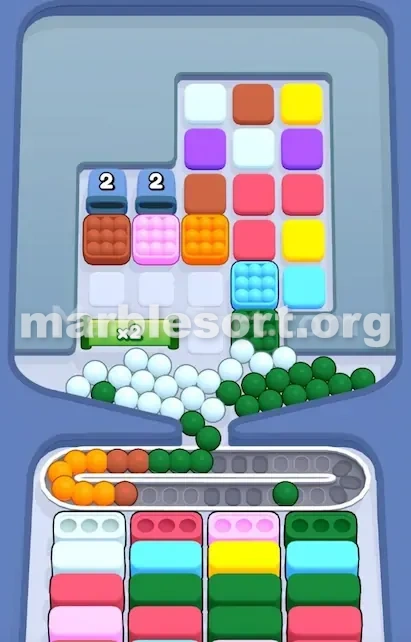
The nastiest interaction happens when a grey question-mark slot sits right beside a tube.
Ordinarily, emptying the container next to a covered slot is what makes it show its shade. Put a tube in that neighbouring position and the usual rule stops applying.
The covered slot stays sealed while the tube still has stock behind it, so you can empty the visible container, watch the next one slide into the same spot, and see absolutely no reveal.
That position only counts as cleared once the digit reaches zero. Until then you are grinding through a queue purely to unlock information you needed several moves ago.
Three Problems in One Obstacle
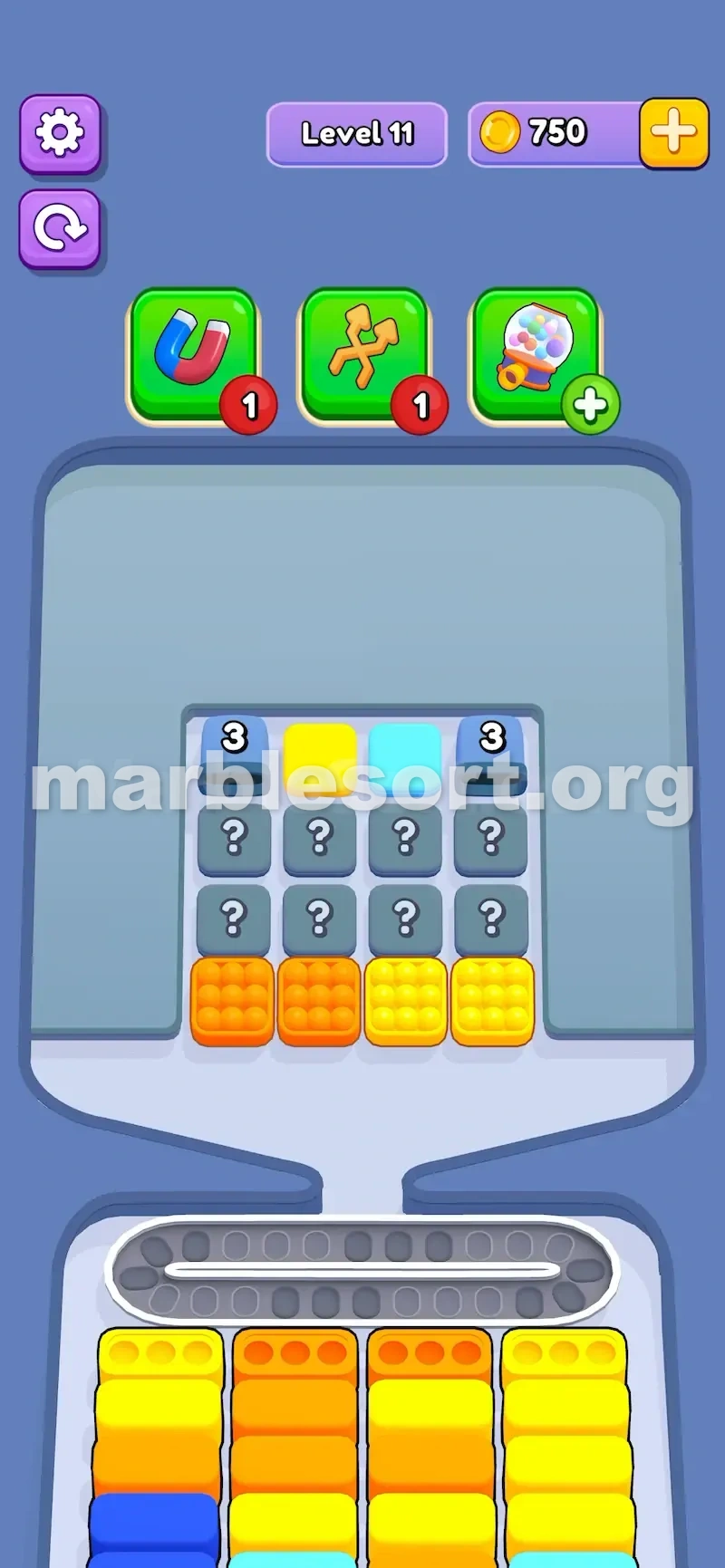
A tube attacks on three fronts at once, which is why these stages feel heavier than the layout suggests.
It conceals shades, so you cannot plan around what is coming. It postpones covered reveals, so information arrives late. And it eats track space, because you keep releasing marbles while hunting for the container you actually wanted.
That third problem is usually the one that ends a run. Players fire off marble after marble hoping the queue coughs up something useful, and the track fills with shades that have nowhere to go.
The counter is to treat every pull as a real decision. A tube rewards patience far more than it rewards speed.
Which Tube to Empty First
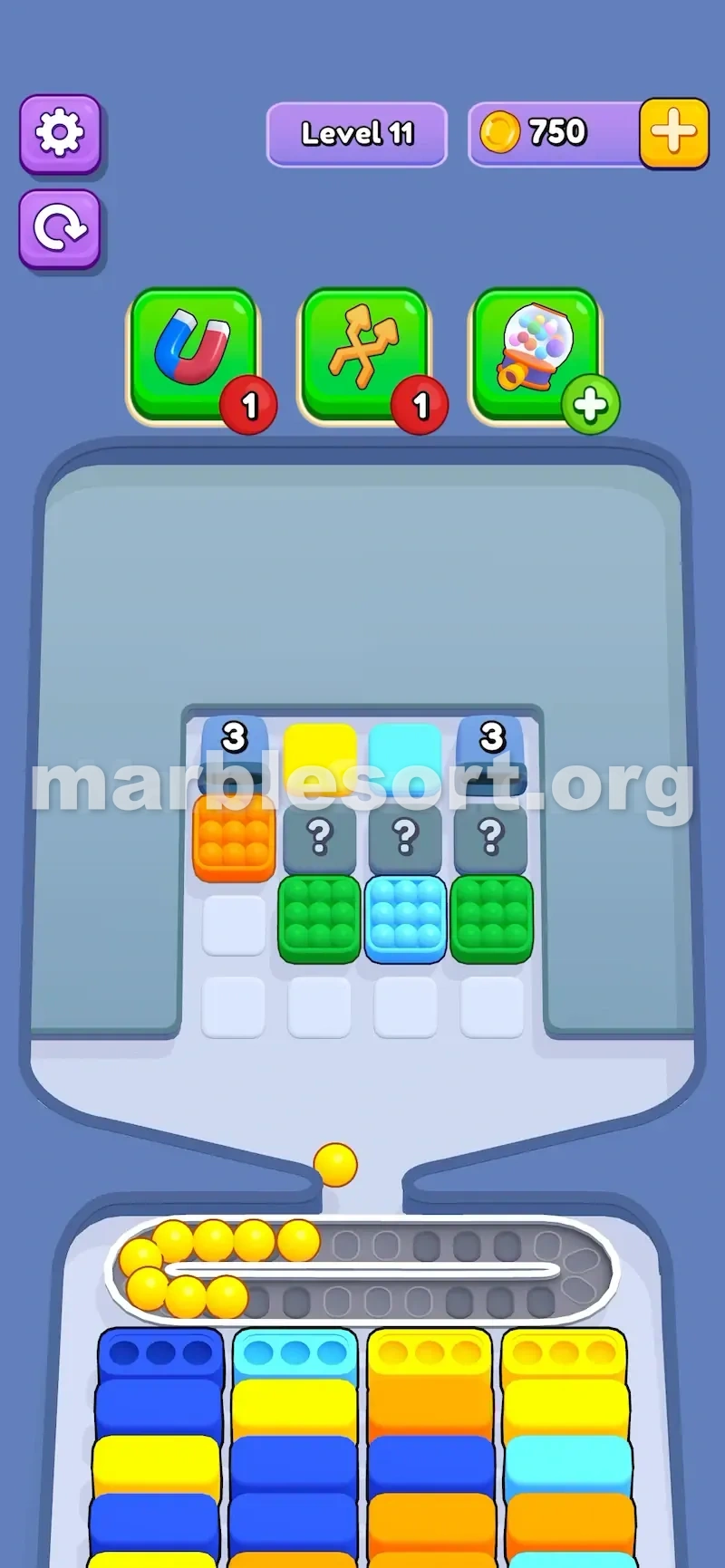
When a stage hands you several tubes, start with the one showing the biggest digit, because the longest queue is concealing the largest slice of the board.
Bump that priority higher if the tube is parked beside a covered slot, since clearing it unlocks a shade and an answer at the same time.
Leave the small ones alone for a while. A tube showing one or two is barely an obstacle and can be handled whenever the track has room.
Above all, resist releasing marbles simply to force the queue along. With no receiver ready for the shade at the mouth, holding position is the stronger play.
The Shade Waiting at the Back
Harder stages routinely hide the single most valuable shade in the final slot of a queue.
The design is deliberate: it wants you to burn resources on the first two or three containers before the one that actually solves the stage appears.
So before you empty a tube container, make sure at least one safe match is still available elsewhere, giving your next move somewhere to land if the queue produces junk.
Then work steadily. Empty a container, read what surfaced, check the receivers, and only pull again when the board can absorb the result. That rhythm turns a blind queue into a manageable sequence.