

Video Guide
Crates: Wooden Walls With a Hidden Payload
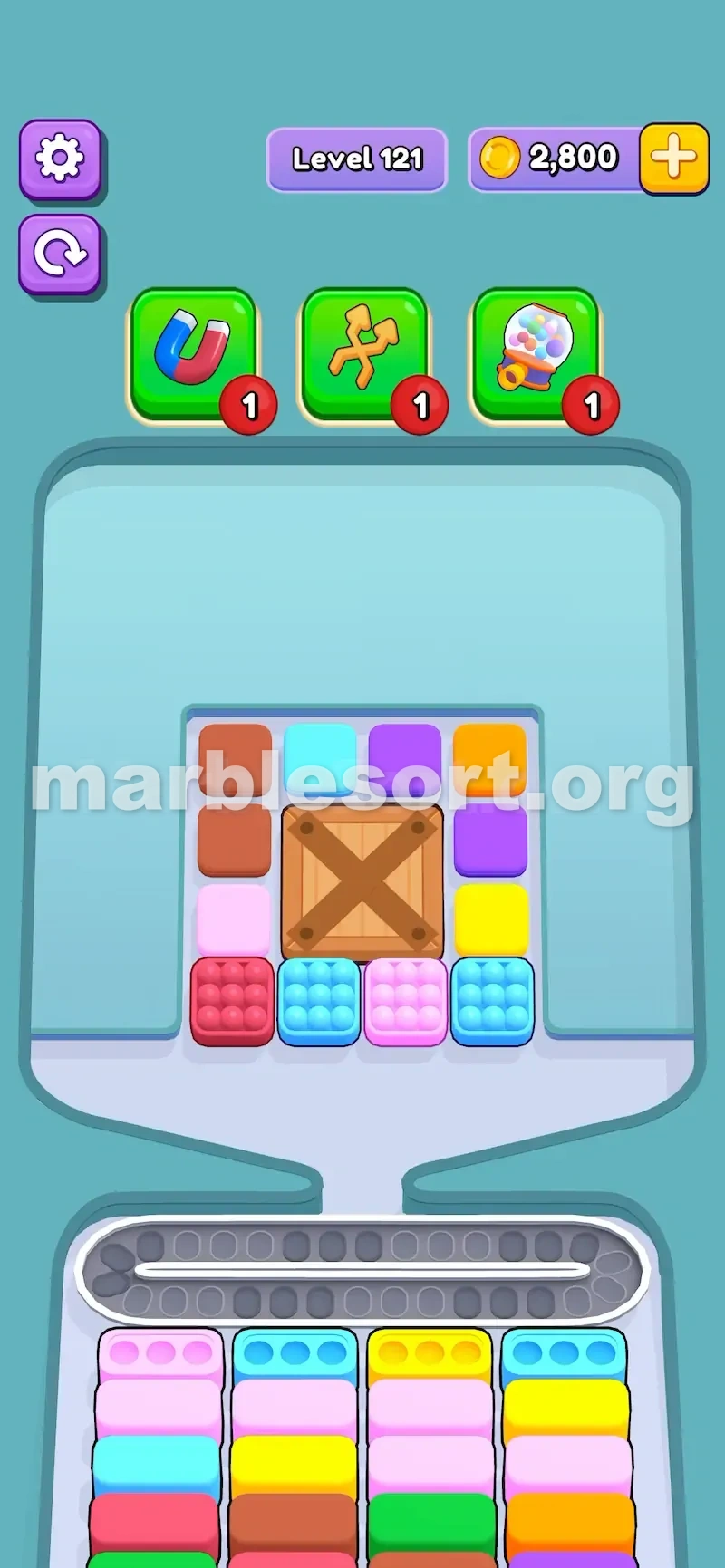
That wooden Crate with the big X is not just scenery.
It blocks space, hides four boxes, and makes you choose before you know what is inside.
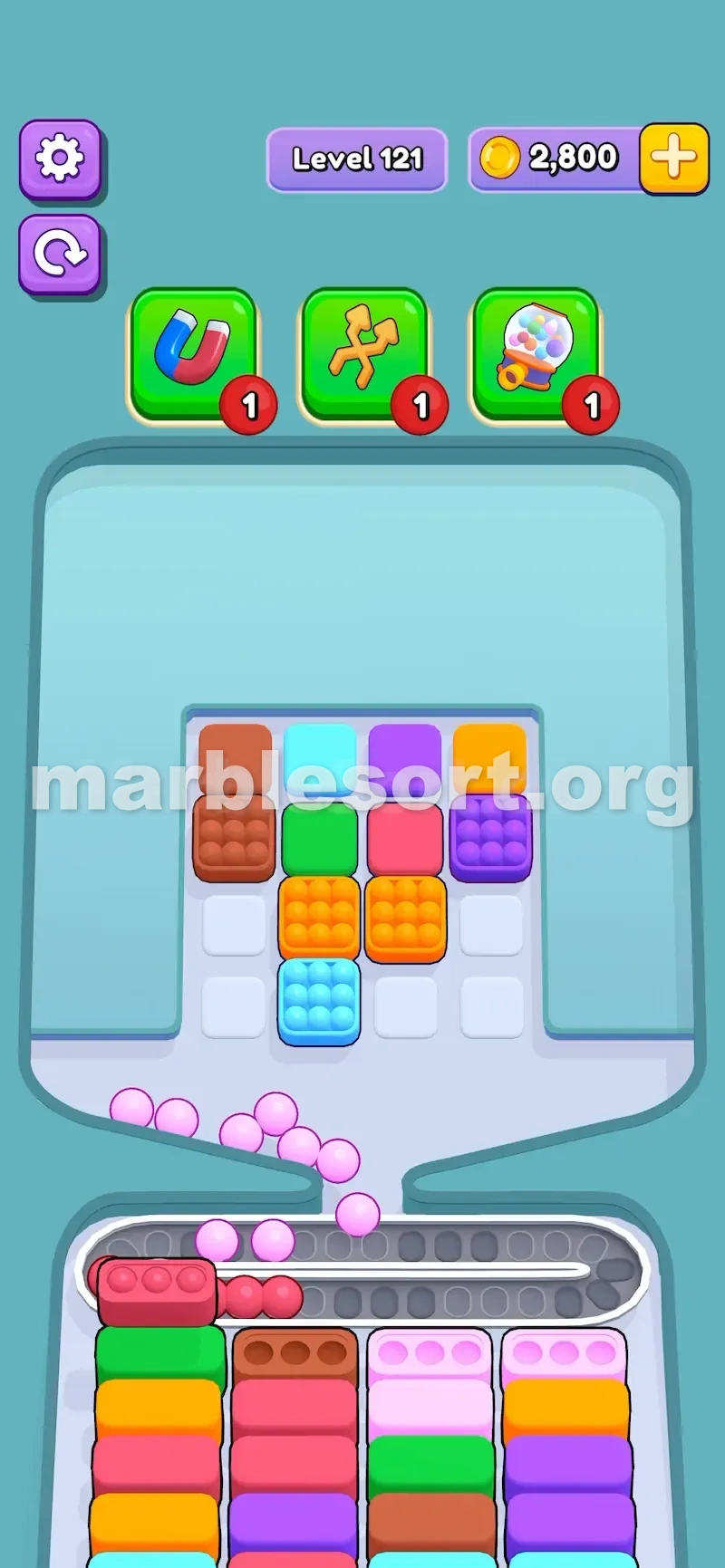
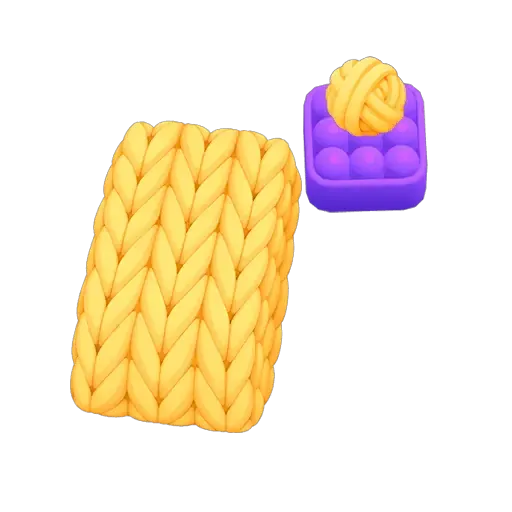
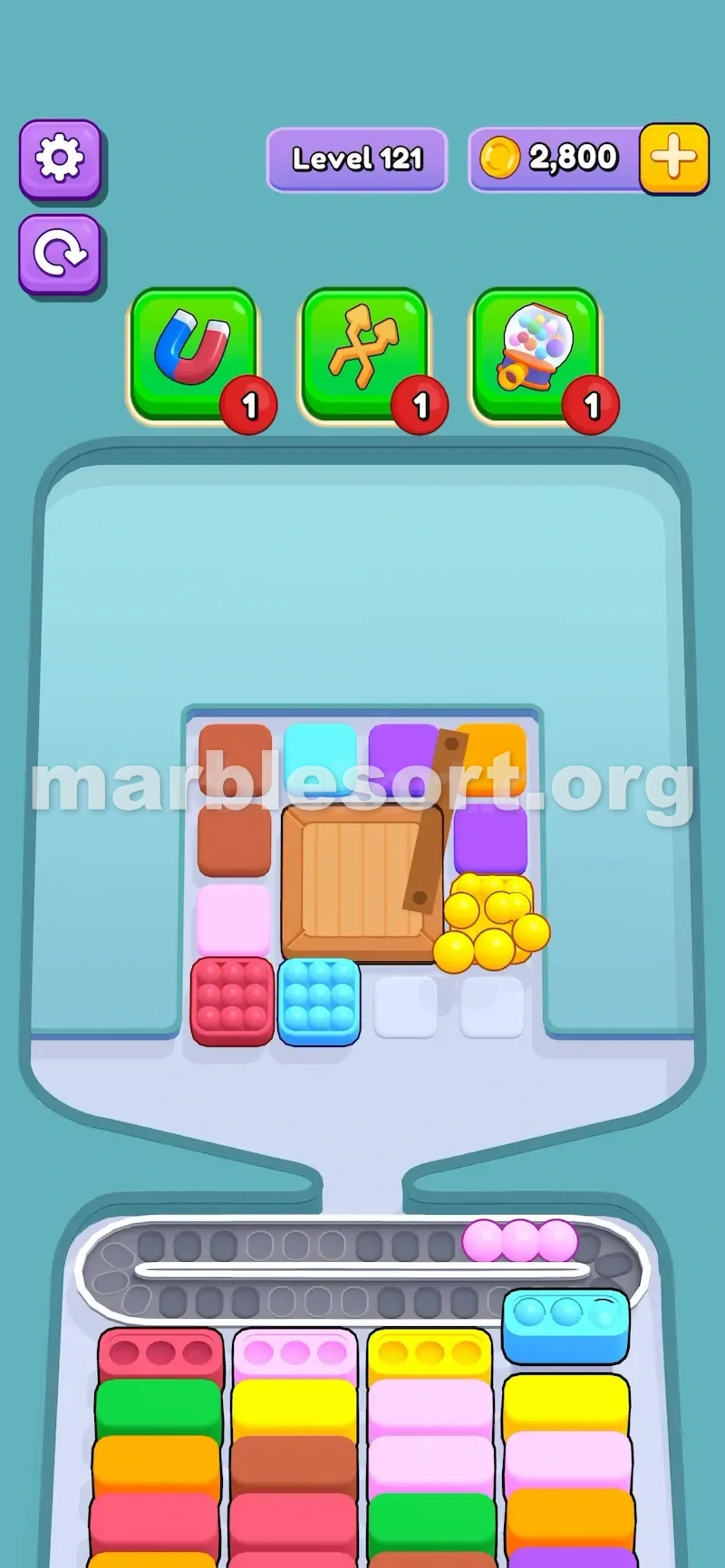
A Crate is a wooden container up top that hides four marble boxes. To get at them you must break the Crate by dropping boxes beside it. Once it opens, the hidden boxes appear on the board.
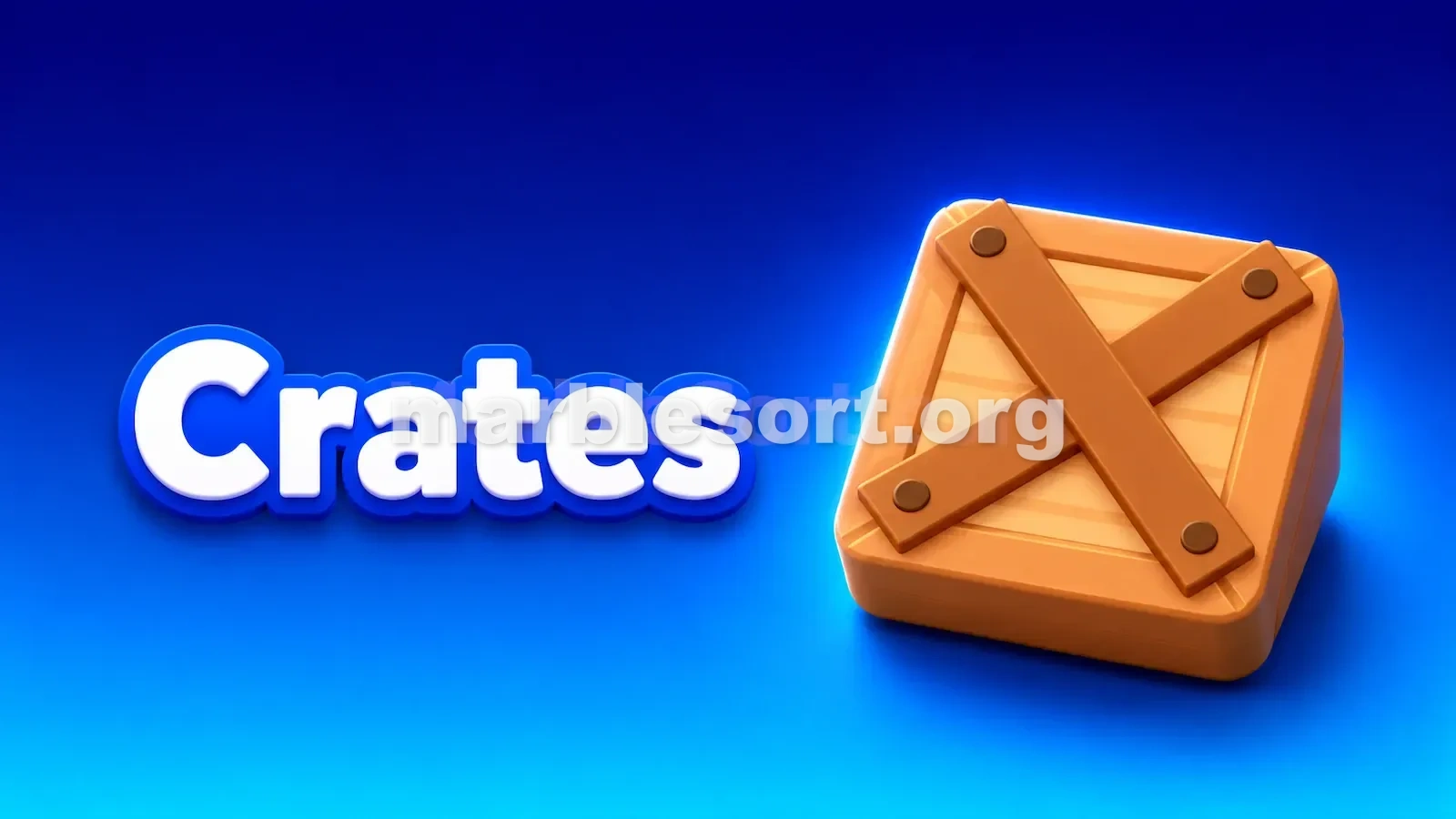
What Crates Actually Are
They rest on the upper board and seal four marble boxes behind the wood.
A Crate may hold plain boxes, Hidden Boxes, colors you need, junk colors for your current bottom slots, or mixed boxes that only help later. You open it by dropping those neighboring boxes, not by poking the wood itself.
That detail stings because each box you drop puts marbles on the belt. If those marbles miss your open bottom boxes, they just sit there eating room.
How to Break a Crate
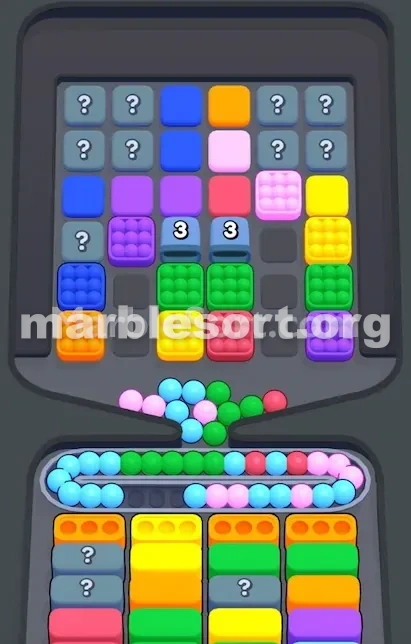
To open a Crate, drop three neighbor boxes around it. The neighbors can come from the Top 2, Bottom 2, Left 2, or Right 2 positions.
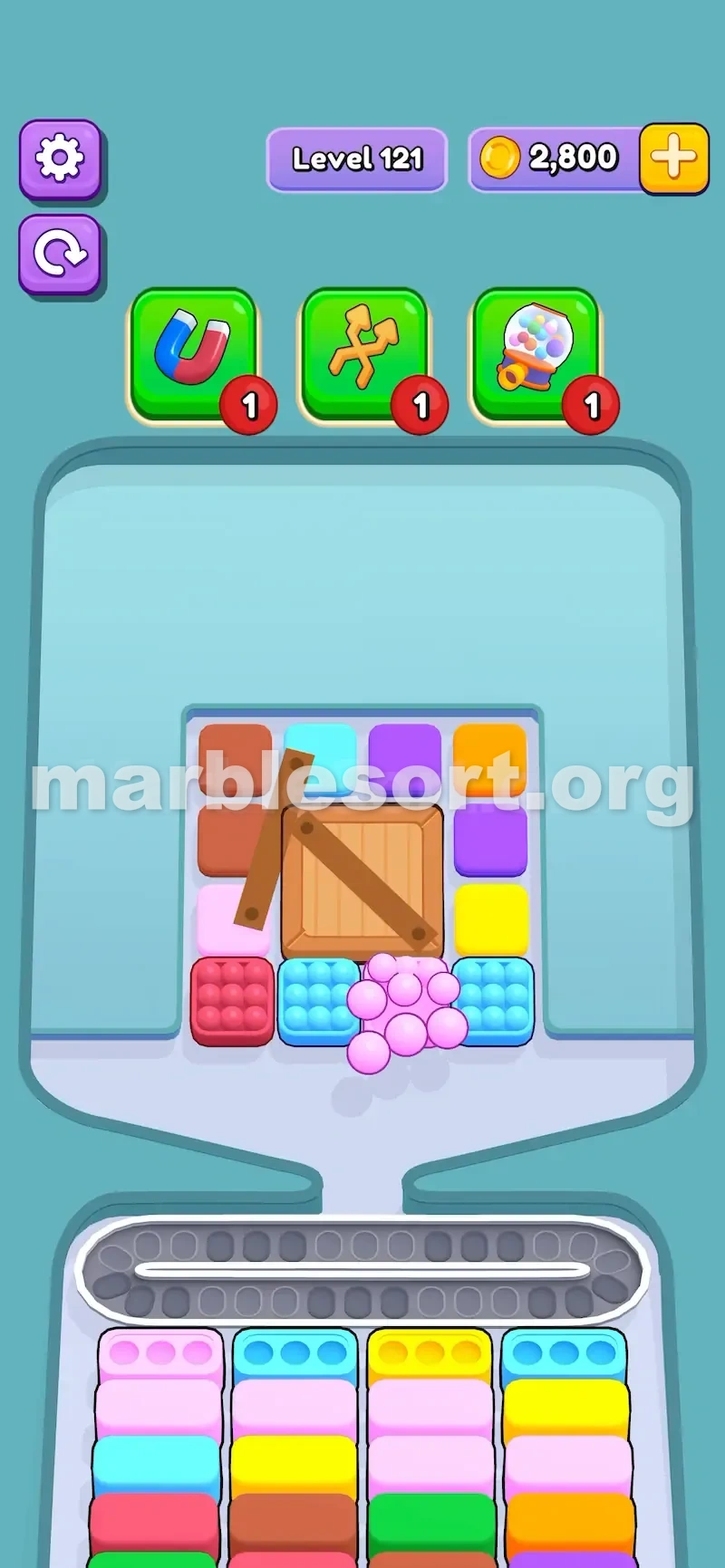
Once you land the third valid neighbor, the Crate splits and reveals the four hidden boxes.
The game never asks if you are ready. The instant that third neighbor drops, it opens. So never treat that third hit like a plain move. Before it, check the bottom slots and whether you can handle whatever appears.
Why Crates Are a Blocker
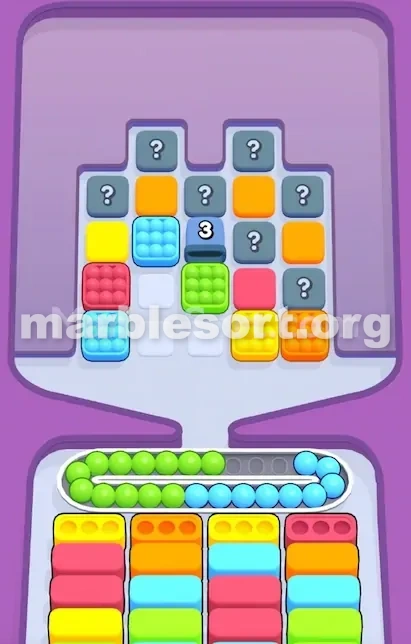
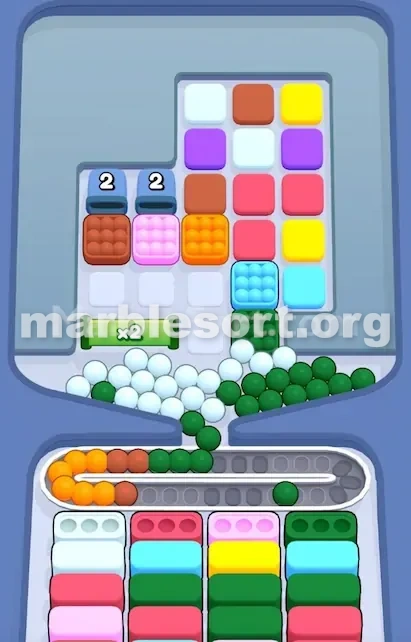
Crates block information and board access at once, which is what sets them apart from a normal color box.
With a plain box you see the color and decide. With a Crate you spend moves to reveal a mystery.
It seals the four boxes inside, any path that leans on those boxes, and the colors your bottom slots may need. Safe planning dies because you cannot see what will show.
This is why a Crate in the center feels unfair: it can hold the only color you need, yet opening it too early floods you with shades you cannot use yet.
Crates With Hidden Boxes
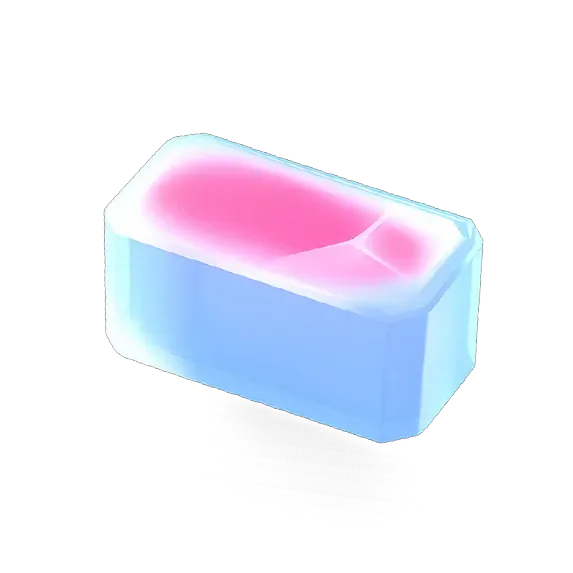
A Crate may reveal a Hidden Box, so the box inside can still show a question mark after it opens. Yes, you can crack one mystery and find more mystery within.
When a Hidden Box appears, you still must expose that shade through normal play. Do not fire random boxes around it on the spot unless the belt has room.
Ask yourself this first: does that hidden area link to colors you need? If not, leave it until the board hands you a reason.
Smart Play on Crate Levels
When a Crate shows up, run this order: read the bottom boxes first, then spot which visible colors help now, drop neighbors only if their marbles have a home, and save the third neighbor drop until the belt has space.
After it opens, pause a beat. Pick the revealed boxes that match the bottom, and ignore revealed shades that would jam the belt.
Many players break the Crate and keep tapping as if nothing changed, then drop a wrong revealed box and clog the conveyor.
When to Open a Crate
Open it when at least one holds: you are missing a color likely inside, the neighbors match your bottom slots, the belt has room for mistakes, the easy visible boxes are already cleared, or the Crate blocks the next useful area. Do not open it when the belt is packed, no neighbor color helps, easy outside matches remain, the bottom is nearly full, or you are only opening it because it sits there.
Skipping a Crate can lose the level too. Now and then the shade you want most hides inside; you stare at the board and find no other match because the game waits for you to break the Crate. When that happens, stop poking the edges, move toward the Crate, and drop neighbors that also match your bottom slots so every hit helps twice.
Pro tip — if a Crate is one hit from opening, wait until a matching bottom box is nearly full. Then land the third hit so a color can fill or nearly fill that box. The Crate splits, the bottom clears, and fresh space opens right as the hidden boxes appear. Also, do not always strike from the nearest edge; when a certain side opens a route to a shade you need buried there, snap the Crate from that side.